By April Nishimura and Susan Misra
My mother called me yesterday. She was bereft and angry about our country’s quick dissent into authoritarianism. She told me, “I’ve never felt this way about my country,” grieving that she didn’t know what to do and felt powerless. This sentiment is becoming increasingly common as we witness the United States’ rapid spiral into fascism.
As I sat with my mother’s words, I remembered a gathering from a few years ago–held in the brief respite between the Trump presidencies. It was Fall 2023: unprecedented marsh fires were burning in Louisiana, and New Orleans was rationing water due to saltwater intrusion. In the midst of these climate disasters, a dozen of us came together to co-create and experience the healing power of ceremony on the shores of the Tchefuncte River, an hour north of New Orleans.
We gathered because, in times of chaos, ritual helps us understand and re-establish our place in the world. As artists, climate activists, racial equity facilitators, and indigenous leaders, we shared ceremonies from our respective traditions to ground in the earth’s wisdom, and to remember how to live in right relationship with all kin.
We offered thanksgiving. We purified ourselves. We prepared for and then invoked spirit and intentions. We communed in universal synergy, collectivity, and celebration. And we closed as we began, in relationship with the four elements from the Anishinaabe medicine wheel: fire, air, earth, and water.
Learning from these elements, we uncovered an antidote to the chaos, terror, and pain that is spreading throughout our country, lands, and waters: this antidote is practicing Love, Dignity, and Accountability & Responsibility. Our current political situation shows what leadership looks like without these medicines. It is therefore important to practice these intentionally and rigorously.
The following section presents the teachings we harvested from our time together–our experience with these medicines and how we see them showing up in the world and in ourselves. We offer them in hopes that they fortify you in these times and inspire you to act, to integrate these medicines into our civil discourse, personal relationships, institutions, narratives, and relationship to the earth.
Love
Love is like water; it flows freely as a practice of deep understanding, care, and interconnection. Love stands for letting others voluntarily evolve.

Imposters for Love
There are many imposters for love; many other forces, dynamics, and emotions can arrive under the guise of “love.” These dynamics often originate as an attempt to find safety and belonging either through exerting control over others (or over life itself), or attempting to find value and self-worth through self-sacrifice. In this case, love is equated with desire, projection, attachment, or clinging to what we want and hope for, and with aversion and avoidance of what we dislike, such as abandonment or facing our inner shadow. In more extreme forms, misguided love, when navigated unskillfully, can warp into attachment and control that leads to trauma, abuse, exploitation, martyrdom, or self-sacrifice.
Authentic Love
Love in its most genuine form is like boundless, powerful water—moving, shaping, and sustaining life. Like the embrace of the oceans, love connects us to one another through currents of care and reciprocity, reminding us that none of us exists alone, but within a vast web of interdependence.
As the monk and peace activist Thích Nhất Hạnh wrote, “To love is to recognize; to be loved is to be recognized by the other.” In this recognition, there is a quiet transformation: we are seen, and in being seen we become more fully ourselves. To love is to understand—to look deeply, to listen closely, to remain present long enough for another’s inner world to reveal itself. Without this depth of attention, love cannot fully open.
Yet the ability to love others wisely begins with turning inward. As the philosopher and mystic Simone Weil reminds us, “It is a fault to wish to be understood before we have made ourselves clear to ourselves.” Love for the self is like an aquifer hidden deep beneath the earth—quiet, sustaining, and essential. When tended with care, it becomes a living source of healing and clarity that nourishes our relationships and guides our purpose. We must learn to dwell there, building within ourselves a home that is both shelter and wellspring. From this deep interior ground, love can move outward again—clearer, steadier, and more generous—flowing toward others as water flows to the sea.
Love for self and others is a generative force propelling action. It frees us to be witnessed and accepted in the fullness of who we are. In love, we extend this belonging outward—to other people, to the living world, and to our more-than-human kin. It is from this place of love that we move. As Che Guevara wrote, “The true revolutionary is guided by a great feeling of love.” Love imbues our actions with care, purpose, and rigor, guiding us toward the work of tending one another and the world we share.
Dignity
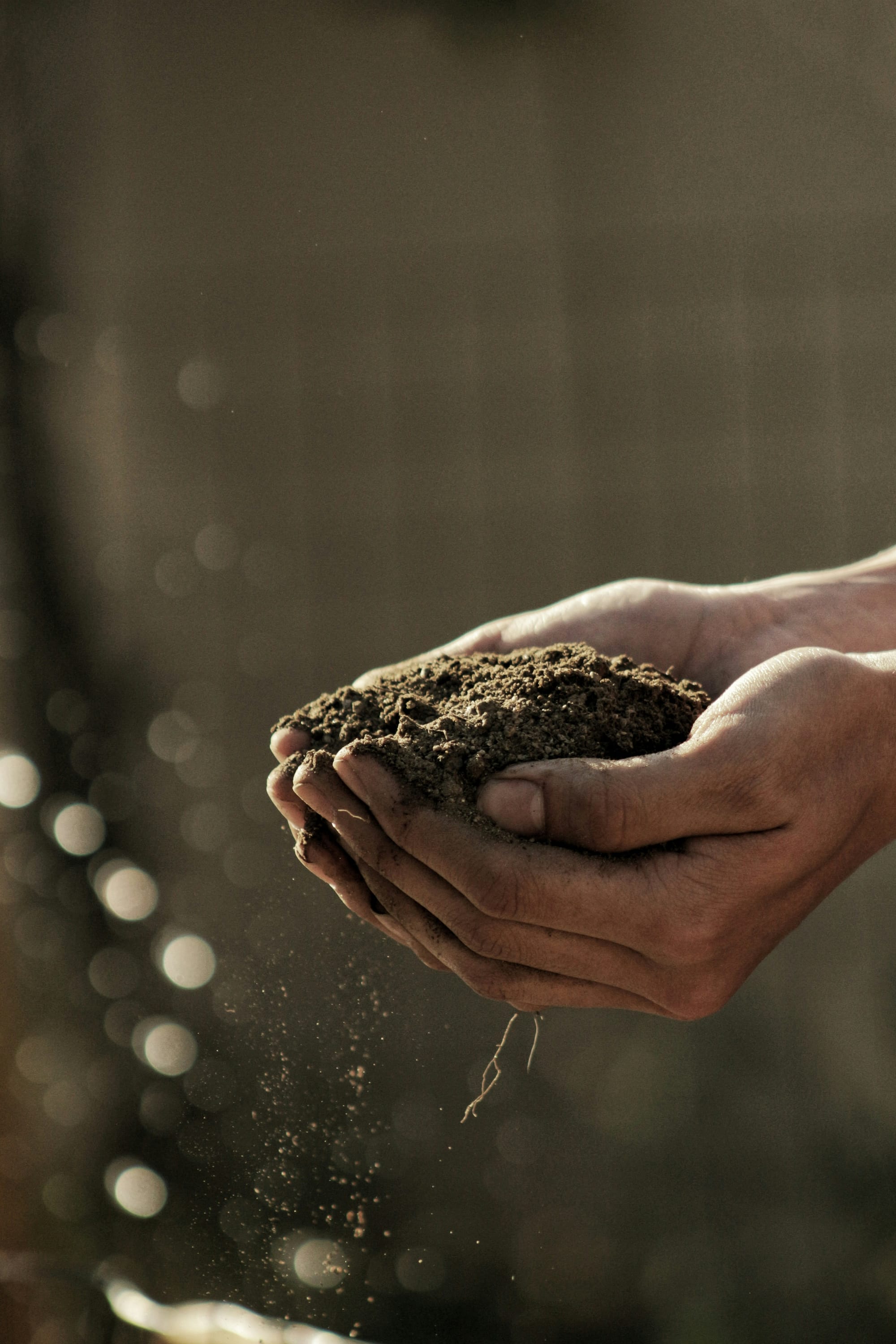
Dignity is like earth; it’s the recognition that we are all worthy and that we belong to each other. Dignity is your inherent birthright and exists in all sentient beings.
Imposters for Dignity
Performative or grandiose displays of honor, which are not rooted in a sense of our collective worth and belonging, are often posturing. These displays appease our own and others’ egos without translating into actions of care and consideration for others. This is not bad, but it misses the point. Thinking that dignity comes at the expense of others, that being “better than” or self-righteous is the source of one’s dignity and worth, is also an imposter. Anything that derives from separation or hierarchy is not dignity. These imposters enable us to feel good about ourselves while turning a blind eye to norms, policies, and day-to-day behaviors that strip others of their dignity.
Authentic Dignity
Dignity is like earth; it is foundational. All sentient beings have inherent dignity, including people, more-than-human kin, and the earth and her systems. Dignity is something we cultivate in ourselves and which we honor and extend to others through our daily interactions and our work to build systems and policies that honor the worthiness of all living things.
We treat our lands and waters with dignity by being in relationship to them, accepting their gifts and harvests graciously, and showing up as engaged, responsible stewards for all future generations. We treat others with dignity, as Nelson Mandela said, “by assuming that they are good, that they share the human qualities we ascribe to ourselves” and by expressing and upholding boundaries that maintain the honesty and integrity of our relationships. We treat our bodies and souls with dignity by listening to our needs and caring for our spirit with gentleness. These are embodied practices of honor, respect, and care that are rooted in our physical bodies and the lands and water we inhabit.
Accountability and Responsibility
Accountability and responsibility work together like fire sparking in the right conditions. Accountability is taking account of what’s happened and one’s role in it. As Gloria Anzaldúa said, “Responsibility is one’s ability to respond to any situation.”

Imposters for Accountability and Responsibility
Accountability and responsibility are imposters when they are unidirectional, overapplied, or underapplied. Unidirectional accountability and responsibility can raze communities and destroy relationships. It looks unbalanced, like some shouldering burden while others skate by, some being blamed while others scapegoat, or some taking charge while robbing others of agency and voice. Overapplied accountability and responsibility look like martyrdom and over-extending control to things that are not ours to own. It can easily turn into exploitation and appropriation. Underapplied accountability and responsibility manifest as defensiveness, avoidance, or a rejection of one’s commitments. It can easily turn into polluting environments, wasting resources, and causing harm.
Among humans, differences in power and role can make accountability and responsibility particularly toxic when weaponized or bypassed. When accountability and responsibility are weaponized, it can lead to calling out rather than calling in and to cancel culture. Sometimes we need to hold a powerful person accountable and remove their positionality, but other times we rupture relationships without offering grace or a pathway to restoring relationships. When accountability and responsibility are bypassed, it can lead to triangulation (i.e., talking to a third party about the issue instead of directly speaking with the party responsible). Triangulation helps relieve certain feelings of discomfort, but ultimately removes the chance for repair, improved understanding, and action.
Authentic Accountability and Responsibility
Accountability combined with responsibility is a powerful medicine for our role as stewards. Like fire, they affirm our inextricable connection to each other. Fire emerges through interactions between fuels (like air and wood) and conditions (like lightning strikes and land management practices). Human and more-than-human kin similarly impact each other because we co-exist in time and space.
Accountability is the moment we recognize that we are in relationship with each other, and it matters what we do. It is an invitation to be in deeper connection with others and with the impacts of one’s own actions. Responsibility is how we make choices and take actions to positively impact our interdependent ecosystem. It is an invitation to focus on what is within one’s sphere of influence so that we play our right role and ensure that our impact nurtures the broader ecosystem.
This medicine is a continually evolving, mutual process that is particularly important in times of chaos, crises, and emerging patterns. It involves:
- Distinguishing between objective events and their accompanying subjective thoughts, feelings, assumptions, and reactions,
- Acknowledging the relationships among what we do, what other living beings do, and what happens, and
- Changing how we behave, think, and feel to honor our interdependence with all living beings.
At its best, the process of accountability and responsibility is an opportunity to reset and seed new growth. Moments of accountability can often be confronting, but they can also open a pathway of reflection and self-knowledge. With responsibility, we can contribute more fully, as we have the opportunity to better understand our impact and align our actions with our values.
Justice as the Outcome

Through ceremony, we experienced and learned about these medicines of Love (water), Dignity (earth), and Accountability & Responsibility (fire). And there is one more lesson: Justice (air). Justice comes when we extend Love, Dignity, and Accountability & Responsibility to the planet, more-than-human kin, and other humans.
Justice is the result of acting out these medicines in proper balance, just like different molecules in the air combine to support different ways for life to breathe. The medicines amplify, reinforce, and modulate each other. In some cases, even a small amount of one of these medicines can catalyze, revitalize, and restore. In other cases, what amounts and combinations may be healing for one living being or ecosystem may be harmful for another. All medicine needs to be applied correctly - for the right purpose and in the appropriate amount to heal. This requires sitting with a situation long enough to deeply understand and diagnose it, so that we know what will truly act as transformative medicine.
When these medicines are falsely applied, justice can become a dangerous windstorm. Our own wounding and trauma can justify punishment, righteousness, or an “an eye for an eye” retribution. But our attempts to achieve justice in this way cause rifts in our relationships with ourselves, our loved ones, and our communities, institutions, and ecosystems – and perpetuates deeper suffering.
Authentic justice is the act of repairing these disconnections. It restores our boundaries and sense of belonging.
When we apply the medicines in transformative amounts, justice should be a welcome breeze that restores balance to all our relationships. As Cornell West has often said, “Justice is what love looks like in public.” We can pause to be in conversation with the planet, to recognize and mourn the death of so many beings, and to celebrate and nurture the resiliency of life. We can move from hoarding and warring over resources to being part of nurturing abundant ecosystems for all sentience. We can move from fear and violence to offering healing to ourselves, all of our relations, and the earth. We can move from othering to belonging – building safe communities for all beings and ecosystems to thrive together.
*****
The next time I speak with my mother, I will remind her of these medicines. In truth, she is the person who first taught me their potency. When we don’t know what to do, when we feel powerless, we can root into these medicines for strength and direction. When there seem to be too many ways forward, or none at all, we can ask ourselves what actions and outcomes would most uphold Love, Dignity, and Accountability & Responsibility. We can act in ways that cultivate these medicines, we can build policies and institutions that support them, and we can reestablish social norms that reflect and uphold them. This is the way back from fascism, authoritarianism, and billionaire oligarchies.
The societies, institutions, and laws we exist in are human creations. Nothing is fixed. And this means there is also the possibility for transformation–to write the future we desire. Practicing these medicines of love, dignity, accountability, and responsibility is the path to building a society where we care about each other and our collective home. It is the way we can be the leaders, citizens, parents, and neighbors we wish to be, who build this world together.
You’re Invited
If these three medicines and their elemental connections speak to you, you’re invited to continue the conversation with the authors in an informal, creative workshop. Please fill out this 4-question form to receive the Zoom link.
Supporting References
Listen:
By Ganavya:
Read:
- True Love, A Practice for Awakening the Heart by Thich Nhat Hanh
- all about love by bell hooks
- See No Stranger: A Memoir and Manifesto of Revolutionary Love by Valarie Kaur
- Dignity by Donna Hicks
- this bridge we call home: radical visions for transformation, chapter 80: “now let us shift… the path of conocimiento… inner work, public acts" by Gloria Anzaldúa
Experience:
- True Love, a Teaching by Thich Nhat Hanh (7-minute video)